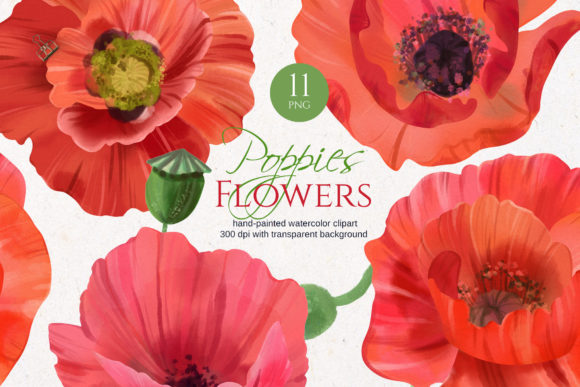
Red Poppy Watercolor Clipart and Illustrations
As a brand designer, I often seek out graphic design assets that can elevate a small business’s visual identity without overwhelming it. Red Poppy Watercolor Clipart is one such illustration that brings warmth, character, and a sense of artistry to any project. Its soft, hand-drawn aesthetic makes it ideal for local businesses looking to convey authenticity, creativity, and a personal touch in their branding.
The First Impression: Warmth and Artistry
From the first glance, Red Poppy Watercolor Clipart exudes a gentle, inviting energy. The watercolor style suggests a handmade, organic feel that resonates with boutique owners, artisanal product sellers, and small business branding efforts. It feels like a nod to traditional craftsmanship, making it perfect for a bakery, a skincare brand, or a handmade soap business looking to stand out in a crowded market.
This illustration isn’t overly bold or modern—it leans into a soft, decorative vibe that works well with feminine, rustic, or seasonal themes. It’s not the best fit for a high-end luxury brand, but for a cozy café, a floral shop, or a home decor store, it adds a unique, personal flair that can differentiate a brand from competitors.
Real-World Applications for Local Business Design
Red Poppy Watercolor Clipart has a wide range of uses in practical design scenarios. Whether you’re working on packaging design, product labels, or social media graphics, this illustration can be a valuable addition to your creative toolkit. For a small business owner, it can serve as a central visual element in logo design, helping to create a cohesive brand identity that feels approachable and artistic.
It also works well in product mockups, where its delicate lines and color palette can enhance the look of a product without overpowering it. In promotional materials like flyers, posters, or printable inserts, the clipart can act as a subtle accent that draws attention without distracting from key messaging.
For a handmade business, this illustration can be used in thank-you cards, stickers, or even in digital product presentations. It’s versatile enough to fit into a variety of commercial design projects, including web design, editorial design, and marketing visuals.
Supporting Business Presentation and Brand Identity
When integrated thoughtfully, Red Poppy Watercolor Clipart can significantly improve a business’s presentation. It helps create a stronger first impression by adding visual interest and personality to packaging, labels, and promotional content. This can lead to better product recognition, clearer visual hierarchy, and a more consistent brand identity across all touchpoints.
For a local business, this kind of design asset can also build customer trust. A polished, professional appearance—whether on a product label or a social media post—signals that the brand is reliable and attentive to detail. It can also help establish an emotional connection with customers, especially when the design aligns with the brand’s values and story.
Where Red Poppy Watercolor Clipart Shines
This illustration excels in situations where a soft, artistic touch is needed. It works well as a hero graphic on a website banner or as a decorative element in a Canva template. For seasonal campaigns, it can be used in holiday packaging, event invitations, or limited-edition product designs.
In product labeling, it adds a unique visual element that stands out on shelves. It’s also great for boutique visuals, where the design can be used to create a cohesive aesthetic across multiple products. Social media campaign graphics benefit from its eye-catching yet subtle presence, making it ideal for posts that aim to engage and inspire.
Where to Use It Carefully
While Red Poppy Watercolor Clipart is versatile, there are certain contexts where it may not be the best choice. For formal corporate branding, its decorative nature might feel out of place. Similarly, it’s not ideal for very small labels or crowded layouts where clarity is essential.
In ingredient-heavy or legal information areas, the illustration could compete with important text. Low-contrast backgrounds might make it difficult to see, and for luxury minimalist brands, it could add unnecessary complexity. It’s important to test it in different scenarios to ensure it enhances rather than distracts.
Practical Designer Notes for Real Projects
Before finalizing any design, I always recommend testing Red Poppy Watercolor Clipart on real packaging mockups. Check how it looks in black and white, and preview it on small labels to ensure readability. Test it with your brand colors to see how it integrates with your existing palette.
Compare it with competitor packaging to ensure it offers a unique visual advantage. Review the print quality, inspect PNG transparency, and check SVG or vector editability if you need to scale the design for different formats. Test it beside different font styles—serif, sans serif, script, handwritten, and display—to find the best pairing.
Finally, always confirm the commercial license before using it for client work, business branding, or physical product sales. This ensures that you’re using a design asset that meets your legal and creative needs.
Conclusion: A Valuable Addition to Small Business Branding
Red Poppy Watercolor Clipart is more than just an illustration—it’s a tool that can elevate the visual appeal of a local business’s branding, packaging, and promotional materials. Its warm, artistic style makes it ideal for handmade businesses, food brands, and boutique stores looking to create a memorable, authentic identity.
By understanding where it works best and where to use it carefully, designers and business owners can harness its potential to build stronger brand connections, improve customer engagement, and create visually compelling marketing materials. Whether used in product labels, social media graphics, or packaging design, this illustration offers a creative edge that can set a small business apart in a competitive market.