Woodland Animal Watercolor: A Designer's Review for Real Projects
When I first opened the Woodland Animal Watercolor file on my screen, I wasn't looking at a standard digitized outline. As someone who spends hours tweaking stitch paths and analyzing density maps, my immediate reaction was curiosity about how this specific aesthetic would translate from a digital illustration to physical thread. The design falls squarely into the Illustrations category, promising a soft, artistic vibe that is currently trending in boutique home decor and custom apparel. However, seeing a pretty picture on a monitor is one thing; trusting it to hold up on a textured sweatshirt or a washed linen tote bag is entirely another. This review breaks down the practical realities of using this design in a professional setting.
The First Impression: Mood and Visual Personality
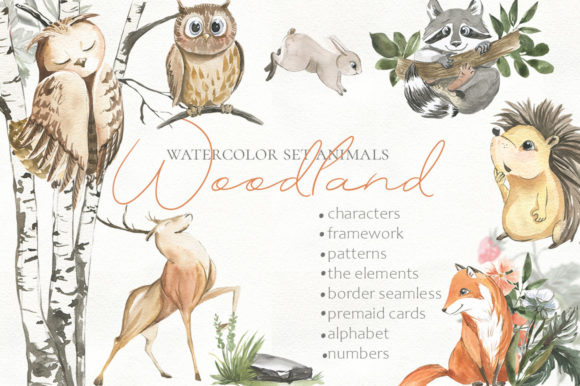
The defining characteristic of Woodland Animal Watercolor is its attempt to mimic the fluid, bleeding edges of watercolor paint using embroidery stitches. In the world of machine embroidery design, this is a high-wire act. If the digitizer relies too heavily on dense fill stitch patterns, the result looks like a solid block of plastic rather than art. If they use too much running stitch, the design lacks presence on heavier fabrics.
Upon inspecting the layout, the design feels airy and organic. It avoids the rigid, boxy feel of older digitizing styles. The theme suggests a gentle, nature-inspired mood, making it an ideal candidate for nursery decor, spring collections, or earthy brand identities. For an Etsy seller or small shop owner, this visual personality is gold. It signals "handmade" and "thoughtful" before the customer even touches the finished product. However, the success of this look depends entirely on how well the stitch transitions manage color blending without creating muddy gaps.
Real-World Application: From Mockup to Merchandise
To truly evaluate this embroidery file, I imagined a specific scenario: a custom order for a local boutique needing a series of embroidered tote bags for a farmer's market launch. The client wanted something that felt artisanal but durable. Woodland Animal Watercolor seemed perfect for this tote bag design concept.
On a canvas tote, the slightly open nature of the watercolor-style stitching allows the fabric texture to peek through, which enhances the artistic effect. Unlike a heavy logo that might make a bag stiff, this design remains flexible. I also considered its application on sweatshirt embroidery. On a fleece-backed garment, the soft edges of the design complement the cozy fabric weight. It would look particularly striking as a chest pocket detail or a larger back print on a crewneck.
For those running a craft business, versatility is key. This design could easily pivot into baby embroidery projects, such as bibs or onesies, provided the stitch count isn't too high for delicate skin. It also holds promise as an embroidered patch if hooped on twill with a merrowed edge, creating a collectible item for hikers or nature lovers. The key here is that the design doesn't scream "corporate"; it whispers "creative," which increases the perceived value of personalized gift items.
Navigating Fabric Challenges and Stitch Density
While the aesthetic is lovely, we must discuss the technical hurdles. Watercolor effects in embroidery often rely on varying stitch density to create light and shadow. This can be risky on certain materials. If you are planning to stitch this on a stretchy knit or a thin rayon, you need to be extremely careful with your stabilizer choice. A design with varied densities can cause puckering if the fabric isn't supported correctly.
I would advise against using this on very dark fabrics unless the thread colors provided in the palette are exceptionally vibrant and opaque. Watercolor effects depend on light passing through or reflecting off the threads; on black navy, those subtle pastel blends might disappear, leaving you with a flat, indistinct shape. Similarly, curved surfaces like caps require scrutiny. The hoop size must accommodate the design without distortion, and the center of the cap is often too narrow for wide, illustrative spreads. If the design has fine, wispy details at the edges, these might get lost on the curve of a hat brim.
Another consideration is washability. Clients expect their custom apparel to last. Designs that mimic painting sometimes use long jumps or sparse stitching to achieve the "fade" look. Before committing to a large production run, you must test how these areas hold up after ten cycles in the washing machine. Will the sparse threads snag? Will the colors bleed into each other unintentionally?
Maximizing Value and Professional Presentation
From a business perspective, Woodland Animal Watercolor has the potential to elevate your brand consistency. Using a cohesive set of illustrative designs across your small shop product line creates a recognizable visual language. When customers see that specific soft-edge style, they should immediately think of your brand. This builds trust and encourages repeat purchases.
For digital product sellers, this asset is valuable for creating printable mockup images. Because the design looks so much like a painting, it photographs beautifully for social media marketing, driving higher engagement than standard, blocky logos. However, remember that what looks good in a JPEG doesn't always stitch out perfectly. Your reputation rests on the quality of the physical item. A sloppy stitch-out of a beautiful design damages customer trust faster than a simple design executed perfectly.
Essential Notes for the Serious Embroiderer
Before you load this onto your machine for a paid order, follow these practical steps to ensure success:
- Test on Scrap First: Never skip the test run. Use the exact fabric and stabilizer combination you plan to use for the final job.
- Check Thread Contrast: View your test stitch-out in black and white (or take a photo and desaturate it). This reveals if the tonal values are distinct enough or if the design looks like a gray blob.
- Inspect Small Details: Look closely at the transition points between colors. Are there excessive trims or jumps that could cause nesting? These need to be cleaned up manually if necessary.
- Verify Licensing: Since this is a creative asset, confirm the license terms. Can you sell the finished product commercially? Are there restrictions on selling the digital embroidery file itself? Always clarify this to avoid legal issues.
- Evaluate Hoop Fit: Ensure the design fits comfortably within your available hoop sizes without encroaching on the frame edges, which can cause tension issues.
In conclusion, Woodland Animal Watercolor is a compelling choice for designers looking to move away from rigid, corporate aesthetics. It brings a human touch to commercial embroidery and adds significant charm to holiday embroidery gifts or boutique merchandise. However, its success relies on the operator's understanding of fabric behavior and stitch dynamics. Treat it not just as a file to be stitched, but as an artistic element that requires thoughtful execution. With the right preparation and material selection, this design can become a staple in your portfolio, delighting customers who appreciate the nuance of handmade artistry.